

Not long ago, television advertising and digital advertising lived in two separate worlds. One delivered reach and brand awareness. The other delivered targeting, tracking, and measurable performance. If you wanted both, you often had to split budgets, juggle platforms, and hope the pieces worked together.
Connected TV (CTV) has changed that equation.
CTV advertising allows brands to place high-impact video ads on the biggest screen in the home while leveraging the targeting capabilities and performance insights marketers have come to expect from digital channels. For startup founders, growing brands, and marketing leaders looking for a smarter way to build visibility, CTV offers something increasingly valuable: the ability to reach the right audience without sacrificing scale or accountability.
The opportunity is no longer emerging. It's here. As consumer viewing habits continue to shift toward streaming platforms, Connected TV has become a meaningful part of modern media strategy for brands that want stronger reach, better audience data, and campaigns that can adapt as quickly as the market does.
What Is CTV? Why Does It Matter Right Now?
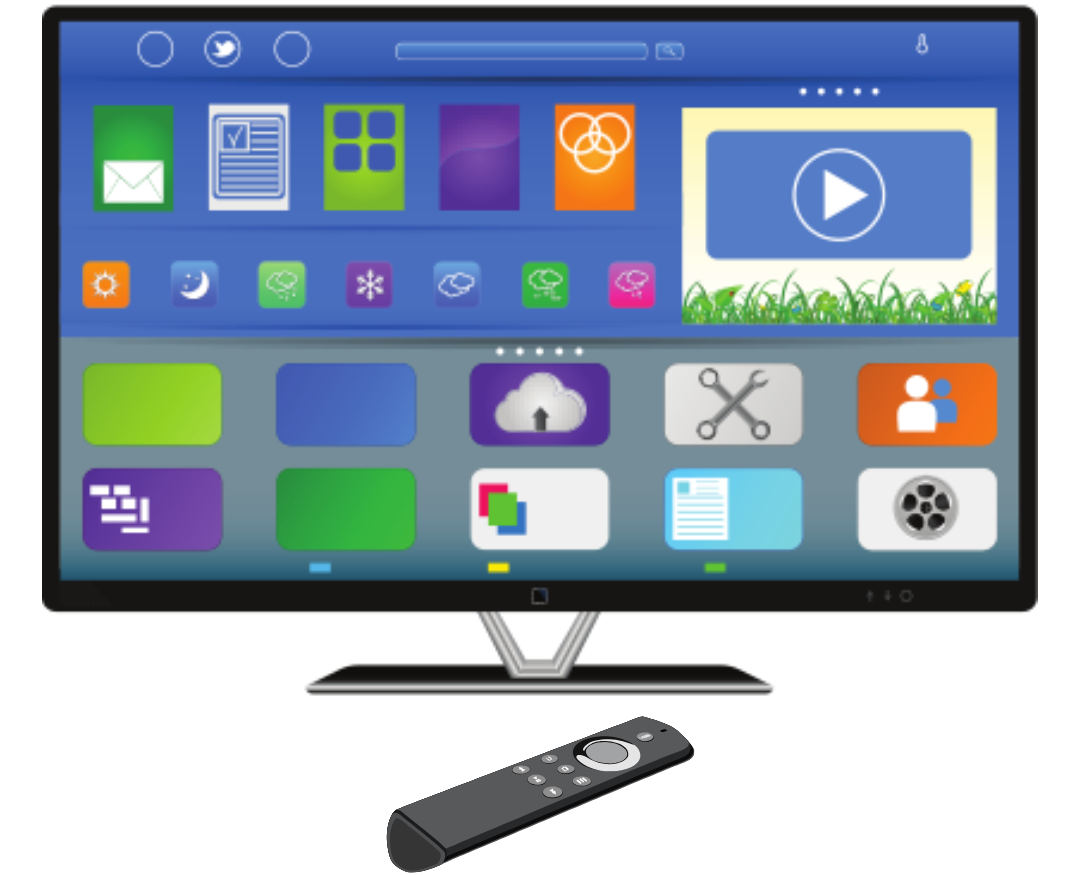
Connected TV refers to television content streamed through an internet-connected device. That includes smart TVs, streaming devices like Roku and Amazon Fire TV, gaming consoles, and connected set-top boxes. If someone is watching content through a streaming service on their television rather than through a traditional cable provider, they're consuming Connected TV content. That's also where advertisers increasingly want to be.
Today's audiences don't consume media the way they did a decade ago. Instead of turning on a cable box and watching scheduled programming, consumers move fluidly between streaming apps, live sports broadcasts, premium video platforms, ad-supported streaming services, and niche content libraries. They watch what they want, when they want, and often across multiple platforms.
The advertising industry has taken notice. According to Nielsen, streaming and Connected TV continue to play an increasingly important role in the television landscape, with 56% of global marketers planning to increase OTT and CTV spending in 2025, up from 53% in 2024.
For brands, this shift represents more than a change in viewing habits. It represents a shift in where attention lives.
Television still carries an influence that few media channels can match. Great video combines storytelling, emotion, sound, motion, and a large-screen experience in a way that captures attention differently than a social feed or display ad. Digital marketing, meanwhile, gives brands the ability to target audiences strategically, measure results, optimize performance, and make data-driven decisions. CTV advertising sits directly where those two strengths meet.
The Rise of CTV Marketing Is More Than a Trend
Every year, the marketing world gets excited about a new platform, feature, or piece of technology. Some of those trends stick. Others disappear as quickly as they arrive, but Connected TV isn't one of those passing trends.
Its growth is tied to broader shifts that have fundamentally changed how consumers engage with content. Viewers continue moving toward streaming environments. Premium content providers are investing heavily in streaming platforms. At the same time, marketing leaders face growing pressure to justify advertising spend through measurable results rather than assumptions. Those forces have accelerated CTV adoption across industries.
According to IAB, total U.S. digital video advertising spend grew 18% year over year in 2024 to $64 billion and was projected to reach $72 billion in 2025. Within that category, CTV ad spend increased from $20.3 billion in 2023 to $23.6 billion in 2024 and was projected to reach $26.6 billion in 2025. IAB also reported that digital video was expected to capture nearly 60% of all TV and video advertising spend in 2025, double its share from just five years earlier.
That growth matters because marketing budgets tend to follow consumer attention. When viewers move, advertisers eventually move with them.
Brands that understand these shifts early gain an advantage. They have time to test creative, refine audiences, build measurement frameworks, and understand what works before competitors become more active in the space. The goal isn't simply to participate in streaming advertising because it's popular. The goal is to understand how streaming fits into a larger growth strategy while the opportunity is still expanding.
CTV vs Cable TV

When comparing CTV vs. Cable TV, their differences often gets framed as a battle between old media and new media. In reality, the comparison is more nuanced than that.
Traditional cable television still offers value, particularly for broad awareness campaigns, certain local markets, and major live programming events. However, Connected TV introduces a level of targeting precision and campaign control that traditional cable advertising generally cannot match.
The primary difference comes down to how advertising is delivered, purchased, and measured.
_____________________________________________________________________________________________
| Area | Cable TV 📺 | Connected TV 🛜 |
|---|---|---|
| Delivery | Cable or satellite provider | Internet-connected streaming device or smart TV |
| Targeting | Broad demographic and market-based targeting | More precise audience, location, and behavioral targeting options |
| Buying style | Often upfront or traditional media buying | Direct, platform-based, or programmatic ctv buying |
| Measurement | Ratings, estimated reach, and post-campaign reporting | Digital-style reporting, pacing, frequency, and attribution options |
| Best use | Broad awareness and mass reach | Awareness plus targeted reach, retargeting, and measurable action |
_____________________________________________________________________________________________
For many brands, the strongest strategy isn't choosing one over the other. It's understanding how both channels can work together.
Nielsen notes that consumers increasingly move between traditional television and streaming services, yet only 32% of global marketers report measuring media investment across both digital and traditional channels.
That gap creates an opportunity for marketers willing to take a more connected approach. Audiences don't separate their viewing habits into neat marketing categories, and brands shouldn't build isolated media strategies either.
How CTV Combines Television Impact with Digital Precision
The real strength of CTV advertising isn't simply that it reaches people through streaming platforms. It combines the emotional influence of television with the accountability of digital marketing.
Brands can tell compelling stories through premium video while maintaining control over who sees the message, how often they see it, and what actions occur afterward. That creates opportunities that traditional television often struggles to provide.
For a startup, that might mean introducing a new product to a highly specific audience rather than buying expensive broad-reach media. For a regional business, it might mean concentrating impressions within a defined geographic market. For a marketing team, it could mean connecting television exposure to search activity, website traffic, retargeting audiences, and conversion data.
Some of the biggest advantages of CTV include:
- Audience targeting: Reach viewers based on geography, interests, household characteristics, content preferences, or available first-party data.
- Frequency control: Manage ad exposure to help reduce wasted impressions and audience fatigue.
- Premium viewing environments: Appear on large-screen devices where viewers are often more engaged and less distracted.
- Cross-channel integration: Support search, social, display, email, and landing page strategies as part of a larger customer journey.
- Performance visibility: Analyze delivery data, completion rates, reach metrics, and downstream business outcomes to inform future campaigns.
What makes CTV particularly valuable is that it creates a measurable feedback loop. Campaigns launch, performance data is collected, insights are identified, creative and targeting are refined, and future campaigns become more effective as a result.
That's a very different process than running a television campaign and hoping the results eventually show up somewhere else.
Where OTT Advertising Fits Into the Picture
OTT advertising and CTV advertising are often mentioned together, but they aren't exactly interchangeable.

What is OTT?
OTT, which stands for "over-the-top," refers to video content delivered through the internet rather than through traditional cable or satellite services. That content can be viewed on phones, tablets, laptops, desktops, and connected televisions.
CTV refers specifically to the television screen environment within that broader OTT ecosystem.
In essence, marketers frequently discuss OTT marketing and CTV advertising together because they operate within the same streaming landscape. However, the distinction becomes important when considering user behavior. Someone watching a full-length show from the comfort of their living room may engage with content differently than someone skimming videos on a smartphone during a lunch break. Effective OTT marketing recognizes those differences and adapts creative, messaging, and expectations accordingly.

Programmatic CTV Makes the Channel More Accessible
One of the biggest reasons CTV continues to gain momentum is accessibility. Programmatic CTV allows advertisers to purchase streaming inventory through automated platforms that use campaign settings, audience criteria, and budget controls to guide ad delivery.
That matters because television advertising is no longer reserved for enterprise brands with enormous budgets and dedicated media-buying teams.
According to IAB, the continued expansion of self-serve advertising platforms and programmatic buying tools has played an important role in CTV growth, while increasing participation from small and mid-sized businesses has further accelerated adoption. For founders and growing brands, this creates a practical entry point into streaming advertising. Campaigns can begin with controlled budgets, focused audiences, and clearly defined objectives rather than requiring large-scale commitments upfront.
A general testing framework might include:
- Define the campaign objective. Determine whether the focus is awareness, lead generation, product education, local reach, or retargeting support.
- Build a focused audience. Start with a well-defined target rather than trying to reach everyone at once.
- Test multiple messages. Compare creative approaches to identify what resonates most effectively.
- Manage geography and frequency. Ensure impressions remain relevant and efficient.
- Create a clear next step. Support the campaign through search, landing pages, QR codes, retargeting, or follow-up advertising.
- Evaluate results holistically. Review delivery metrics alongside traffic, branded search activity, conversion trends, and business outcomes.
The objective isn't simply to advertise on streaming platforms. The objective is to turn attention into measurable business growth.

What Makes a Strong CTV Campaign?
The strongest CTV campaigns begin with clarity. Clear audience. Clear message. Clear objective.
Too often, brands treat Connected TV as another box to check on a media plan. They repurpose existing creative, launch broad targeting, and hope performance follows. Strong campaigns take a more deliberate approach.
The creative should be designed for television viewing, not merely recycled from social media. Messaging should be memorable. Branding should be unmistakable. The desired action should be easy to understand.
Successful Connected TV campaigns often share several characteristics:
- A strong opening: Capture attention immediately with a problem, solution, offer, or recognizable brand cue.
- Simple messaging: Focus on what matters most rather than overwhelming viewers with details.
- Consistent branding: Make the brand name, visual identity, and value proposition easy to remember.
- A clear call to action: Direct viewers toward a specific next step.
- Purposeful creative: Match messaging to the audience and viewing environment.
- Defined measurement goals: Establish success metrics before launching.
This is where creative and strategy must work together. Exceptional targeting cannot save weak messaging. Exceptional creative cannot compensate for poor audience selection. Real performance comes from combining both disciplines effectively.
Measurement Is What Protects the Budget 📈
One of the greatest advantages of digital advertising is accountability, and CTV should be approached with the same mindset.
While measurement capabilities continue to improve, brands should avoid relying exclusively on any single reporting platform. Instead, performance should be evaluated across multiple data sources, including media delivery metrics, website analytics, CRM systems, branded search activity, conversion data, and broader business outcomes.
Treat CTV as part of a broader marketing ecosystem rather than operating it as a standalone channel. Be sure to track its success. Just like any campaign, it is important to implement comprehensive measurement across both traditional television and Connected TV environments.
For growing companies, that guidance is especially important. Before launching a campaign, establish benchmarks. Understand current traffic levels, branded search volume, geographic performance, lead flow, and conversion trends. Once those baselines exist, it becomes much easier to identify whether a CTV campaign is truly driving growth rather than simply appearing alongside it.
Good measurement turns marketing from speculation into strategy.
So…. What’s the Next Step for Growing Brands?
If your business is looking for stronger visibility, better brand recall, and a smarter way to connect with today's streaming audiences, Connected TV deserves serious consideration. Not because it's the latest marketing trend but because it's where modern audiences are spending their time.
When executed strategically, CTV doesn't replace channels like SEO, paid search, social media, display advertising, email marketing, or traditional media. It strengthens them. It creates awareness that fuels searches. It builds familiarity that improves click-through rates. It supports the larger marketing ecosystem rather than competing with it.
That's the kind of thinking we believe in at Ro•Sham•Bo Creative.
We're not interested in chasing tactics simply because they're new. We're interested in finding opportunities that help brands stand out, gain momentum, and create measurable growth. If that involves CTV advertising, SEO, paid media, web strategy, traditional advertising, or a fully integrated campaign, the goal stays the same: put the right message in front of the right audience and make every marketing dollar work harder.
Our approach starts by diving deep into every client's unique opportunities and challenges, building strategies that blend creativity, insight, and execution across digital and traditional channels.