
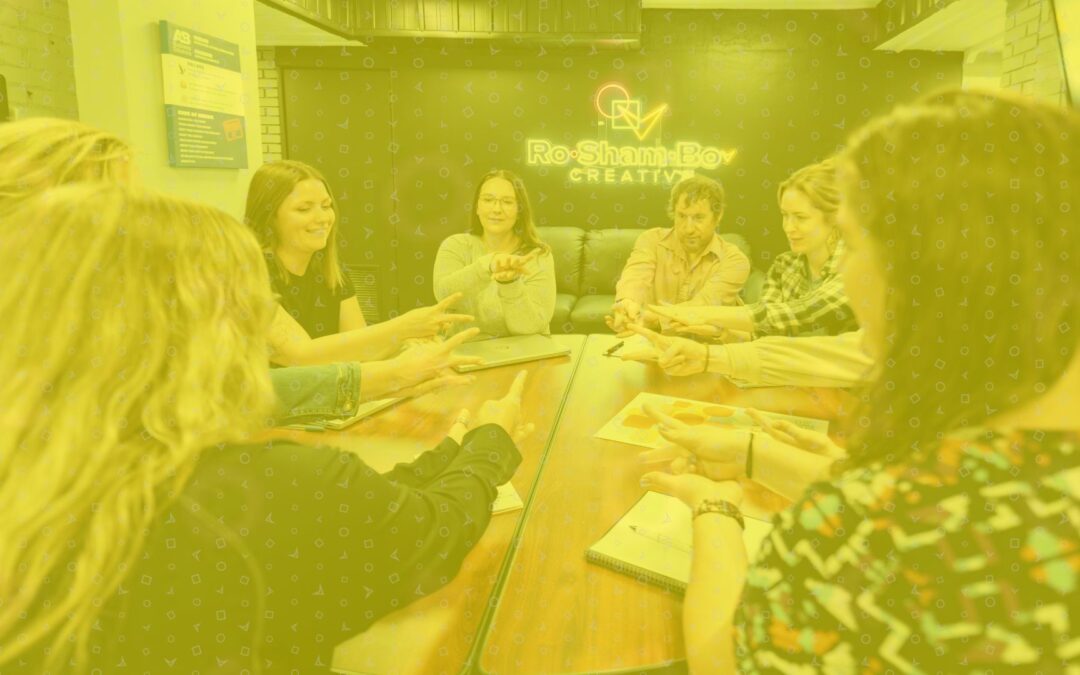
Let’s cut the niceties. Events are beasts. Venues, talent, logistics, and budgets make it a lot to manage. None of it matters if seats sit empty. Concerts, conferences, community gatherings. Attendance is everything. In a world drowning in noise, a flyer or a Facebook post will not cut it.
Anyone who's ever planned an event knows the hard truth: putting together the event itself is only half the battle.
You can book an incredible venue. Secure sought-after speakers. Bring in top-tier entertainment. Coordinate every logistical detail down to the minute. But if people don't show up, none of that effort matters.
Whether you're organizing a conference, concert, trade show, community event, fundraiser, or festival, attendance is often the metric everything else depends on. Ticket sales, sponsorship value, vendor participation, audience engagement, and overall event success all begin with getting people through the door.
The challenge is that attracting attention has never been more difficult. Consumers are overwhelmed with content, invitations, advertisements, and competing priorities. Every day they're making decisions about where to spend their time, money, and attention. Breaking through that noise requires far more than posting a flyer on social media and hoping for the best. It requires strategy.
Great Events Aren't Sold. They're Anticipated.
One of the biggest misconceptions in event marketing is that promotion begins when tickets go on sale. In reality, successful event marketing starts much earlier. The events that generate momentum understand how to build anticipation before asking for a commitment. They create awareness, spark curiosity, and establish relevance long before attendees reach the checkout page. Before a single advertisement is launched or marketing asset is developed, organizers should have a clear understanding of who they're trying to reach.
What motivates them?
Where do they spend their time online?
What problems are they looking to solve?
What type of experience would make them excited enough to attend and encourage others to join them?
These questions matter because attendance doesn't happen by accident. It happens when the right message reaches the right audience at the right time. When strategy leads the process, every marketing decision becomes more effective.
Understanding Your Audience Is More Important Than Expanding Your Reach
A common mistake event organizers make is focusing on how many people see their marketing rather than who sees it. Large audience numbers may look impressive on a report, but visibility alone doesn't fill seats. Relevance does.
A focused, targeted campaign that reaches the right audience will almost always outperform a broad campaign designed to reach everyone. That's why successful event marketing begins with audience research, segmentation, and thoughtful messaging.
The goal isn't simply generating awareness. The goal is creating a connection.
People attend events because they believe the experience will provide value, entertainment, education, networking opportunities, or a sense of belonging. Effective marketing identifies those motivations and speaks directly to them.
When that happens, marketing feels less like advertising and more like an invitation.
Creative Should Make the Experience Feel Real
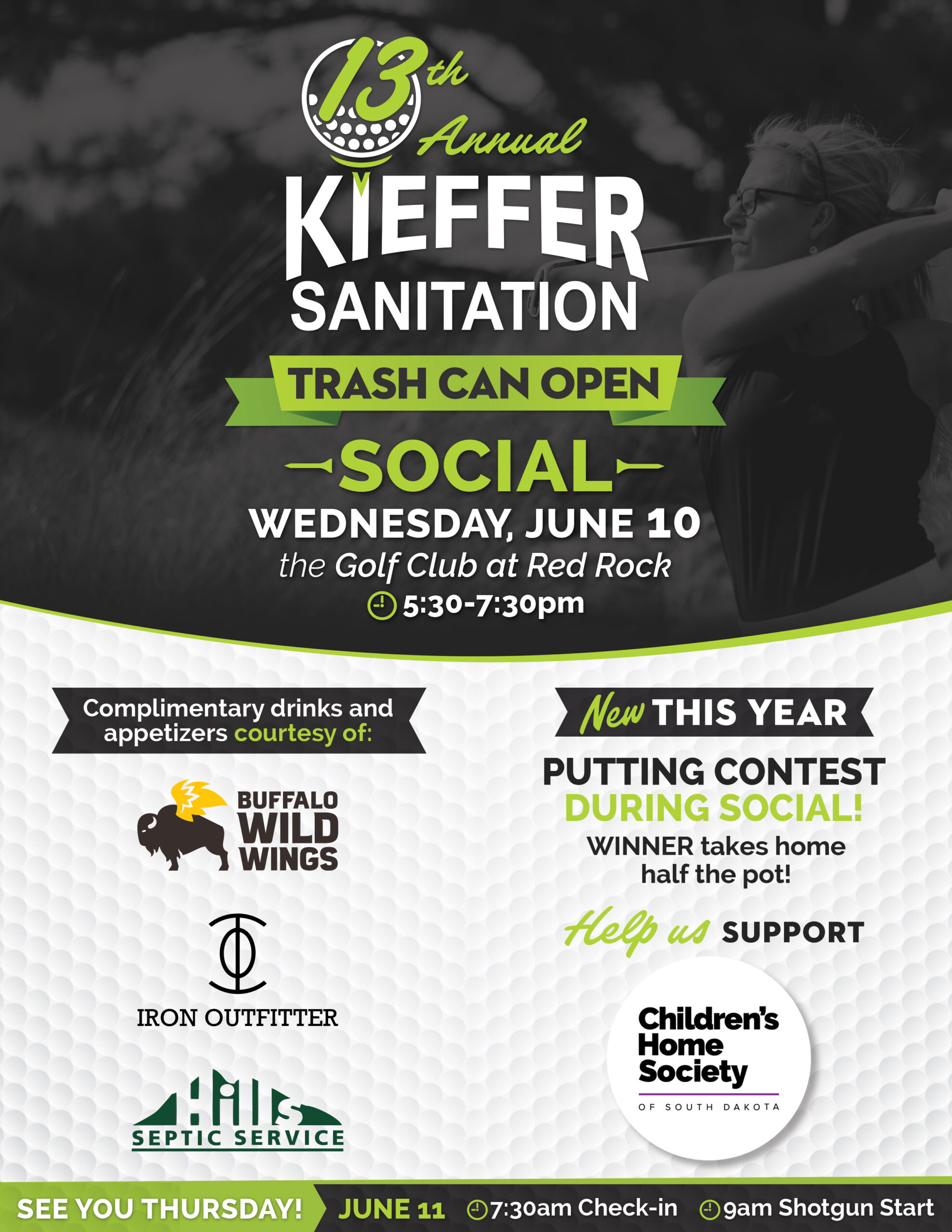
Kieffer-Social

reptile-gardens-case-04
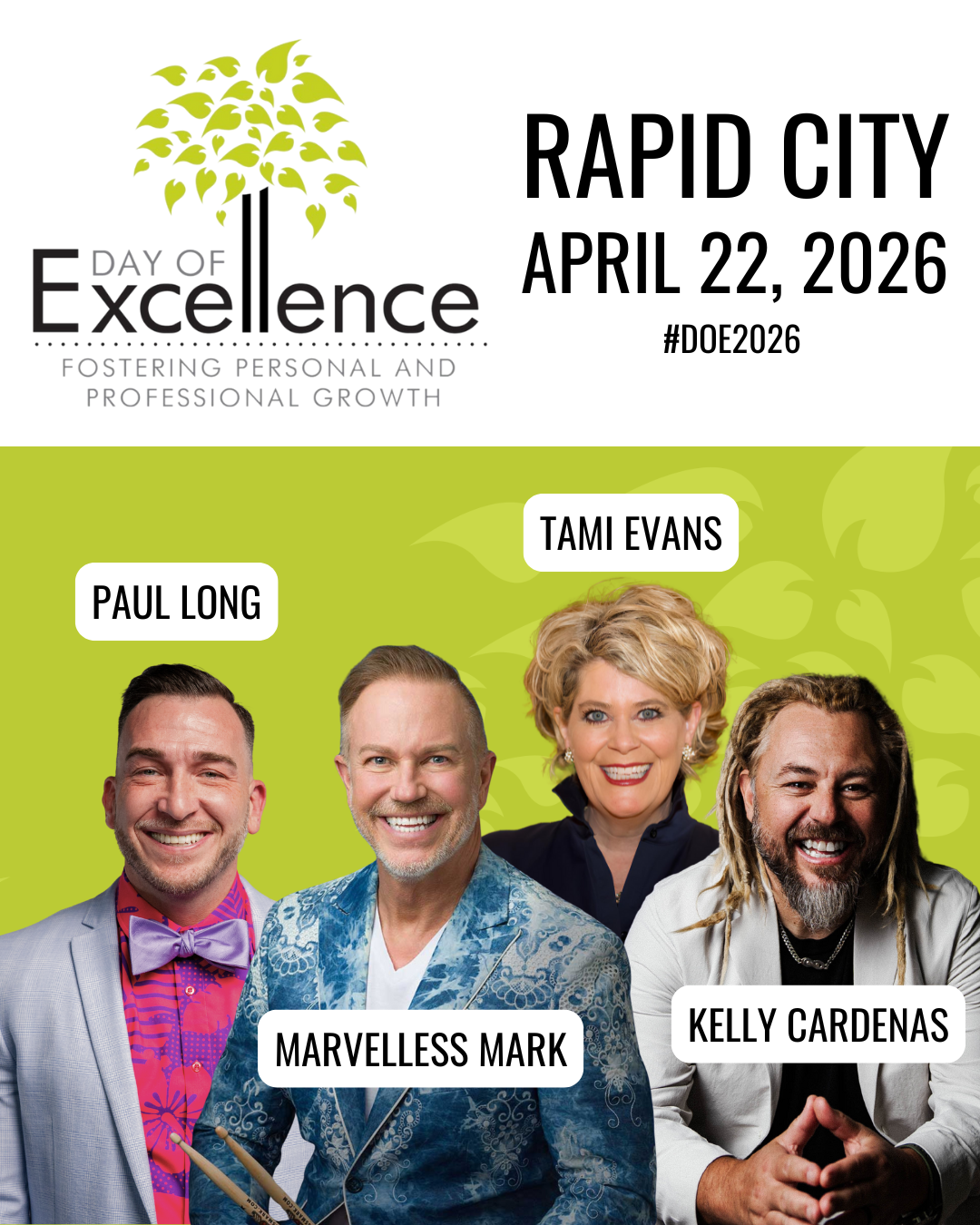
DOE-12022025 – use this for speakers graphic
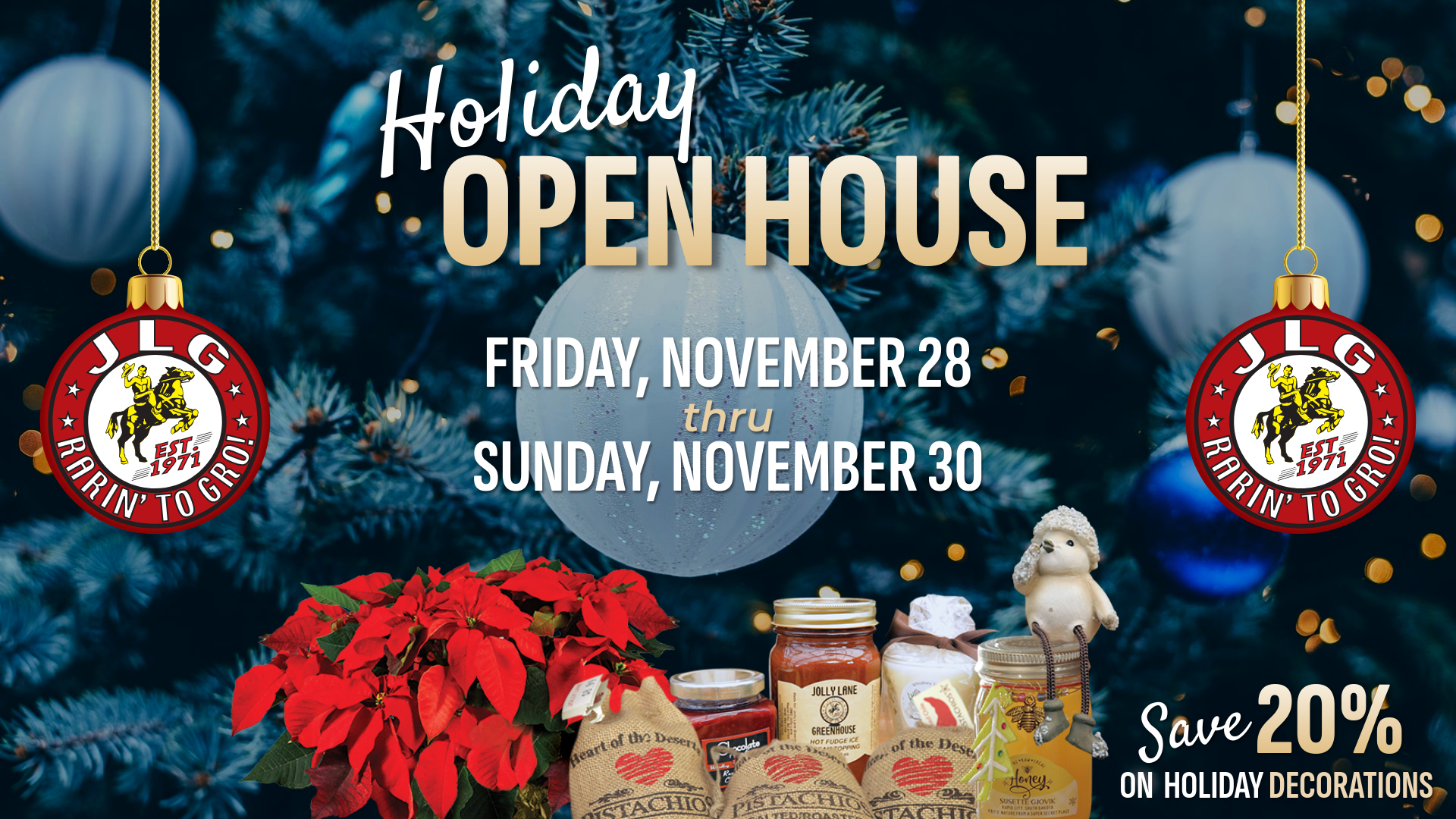
JLG-holiday-open-house-1920×1080-fb
300×250
digital slideshow (7)
soems
Great creative doesn't just promote an event. It helps people imagine themselves being there.
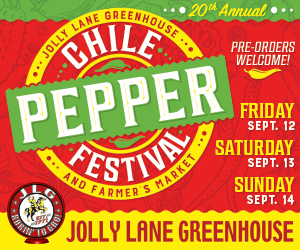
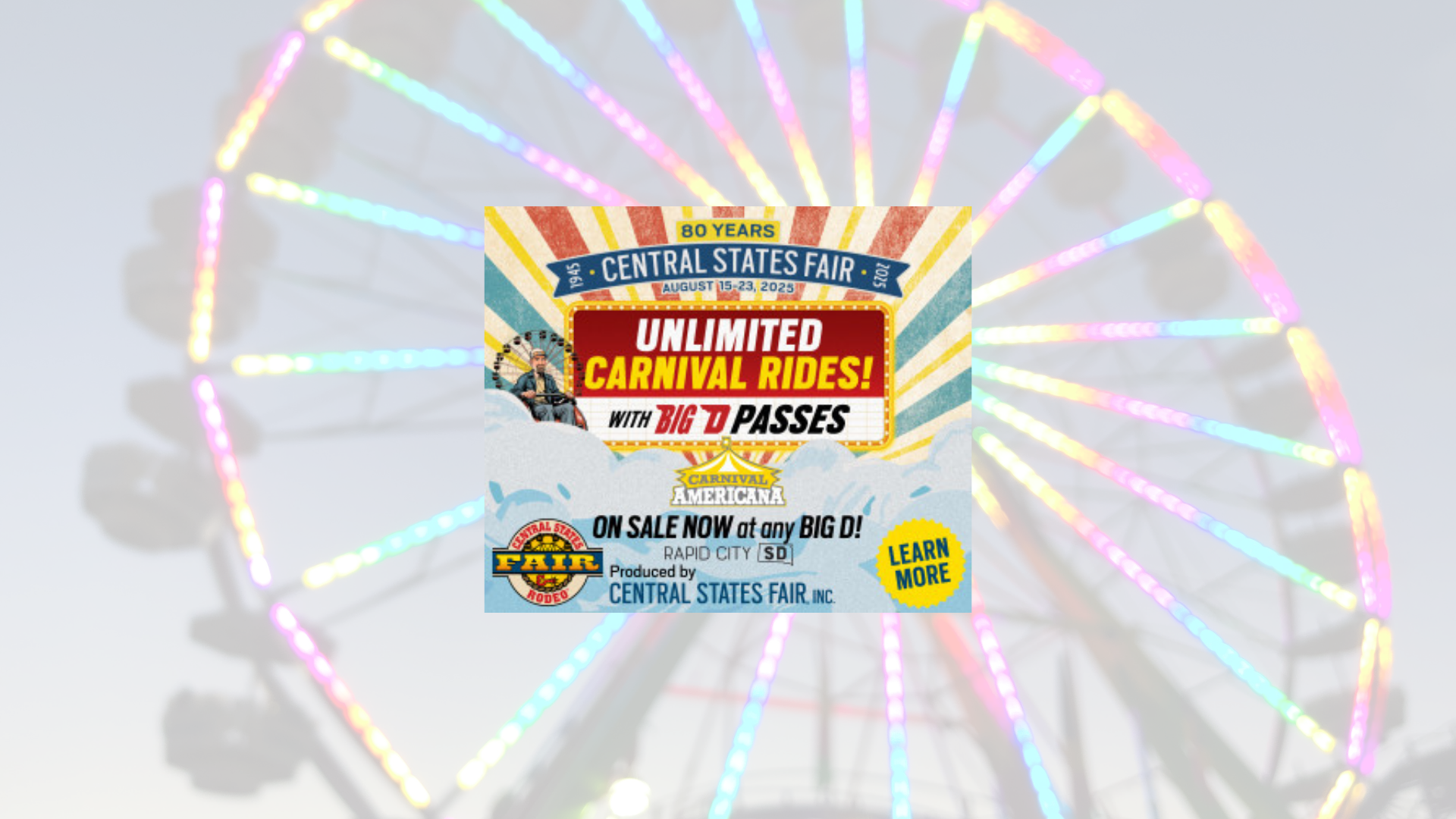
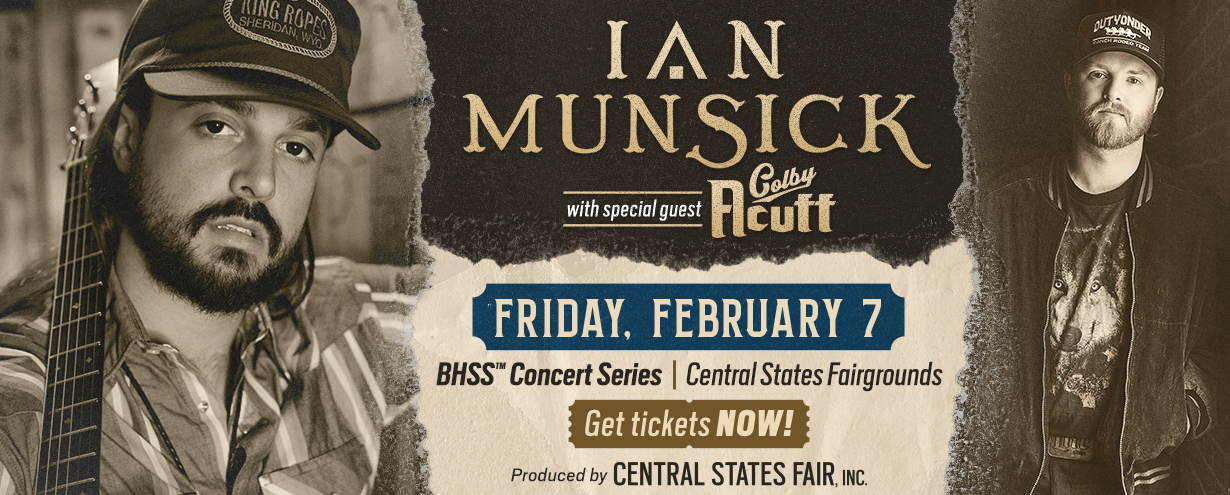
Whether it's a regional fair, an industry conference, a live concert, or a community gathering, audiences want to understand what they're saying yes to. The visuals, messaging, videos, photography, and branding should work together to communicate the energy and experience attendees can expect.
This is where many event campaigns fall short. They focus heavily on facts such as dates, times, locations, and schedules while overlooking the emotional connection that drives action. People rarely buy tickets because of logistics alone. They buy because they can picture the experience.
Strong creative bridges that gap. It creates excitement. It builds anticipation. It turns curiosity into commitment. Most importantly, it gives people a reason to care.
Event Marketing Requires More Than One Channel
Today's attendees don't live in one place. Some discover events through Instagram. Others through email. Some find them through Google searches, local publications, streaming services, display ads, or recommendations from friends and colleagues. Because audiences move across multiple platforms throughout the day, successful event marketing requires a coordinated approach.
Depending on the audience and event type, an effective campaign may include:
- Social media advertising and organic content
- Email marketing campaigns
- Search engine marketing
- Programmatic display advertising
- Video campaigns
- Geo-targeted digital advertising
- Traditional print and outdoor media
- Strategic partnerships and community outreach
The goal isn't to be everywhere simply for the sake of visibility. The goal is to create a consistent presence across the channels your audience already uses.
When potential attendees encounter the same event multiple times in meaningful ways, awareness grows, trust builds, and conversion becomes more likely.
The Difference Is in the Execution

At Ro•Sham•Bo Creative, we've seen firsthand what happens when strategy, creative, and execution work together.
As a marketing agency based in Rapid City, South Dakota, we've helped promote events that draw audiences from across the Black Hills, the surrounding region, and beyond. Our work supporting events such as the Black Hills Stock Show®, Central States Fair®, and the Day of Excellence has reinforced a lesson we see repeatedly: attendance isn't luck.
Packed venues are typically the result of thoughtful planning, targeted messaging, compelling creative, and coordinated marketing efforts that begin long before event day arrives.
The most successful events rarely rely on a single tactic. Instead, they create a complete ecosystem of communication that builds awareness, nurtures interest, and motivates action throughout the entire promotional cycle.
Filling Seats Starts Long Before the Doors Open
The strongest events aren't simply advertised. They're strategically positioned to become experiences people genuinely want to attend. That requires understanding your audience, creating messaging that resonates, deploying marketing across the right channels, and maintaining consistency from the first announcement to the moment attendees walk through the doors.
Whether you're organizing a conference in Rapid City, a festival in the Black Hills, or a national event drawing attendees from across the country, the principle remains the same: successful attendance is built through intentional marketing, not chance.
When strategy and creativity work together, events stop competing for attention and start commanding it. And that's often the difference between hoping for a crowd and planning for one.