

Schema markup is the behind-the-scenes blueprint that helps search engines understand what your content means, not just what it says. It can support rich snippets, improve eligibility for rich results, and make your website’s information easier for search systems to interpret in an AI-powered search landscape. Think of it as a clean handoff between your content, your technical foundation, and the platforms deciding how your brand shows up.
For businesses that want to stay visible while search keeps changing, schema is not a magic trick. It is a smart, practical move. And like any good marketing play, it works best when it is accurate, intentional, and built into the bigger strategy.
What is Schema Markup?
Schema markup is a form of structured data added to a webpage to explain the meaning of the content in a machine-readable way. Instead of asking search engines to guess whether a string of text is a product, service, event, review, recipe, article, organization, or local business, schema gives them labeled information they can process more clearly. Schema.org describes this as shared vocabulary that can be used with formats such as JSON-LD, Microdata, or RDFa to add information to web content.
In plain English: your visible webpage is for people. Your schema markup is for machines. The best pages do both well.
Search engines can already crawl your headings, paragraphs, images, links, and metadata. Structured data goes a step further by connecting details to specific schema types and properties. For example, a page about a dental clinic can identify the business name, address, phone number, hours, services, reviews, and geographic area instead of leaving those details floating loose on the page.
That matters because search is not only matching keywords anymore. It is interpreting entities, relationships, context, and intent. Schema markup helps your website bring order to the chaos.
The Connection Between Structured Data and Rich Results


Structured data can make a page eligible for rich results, which are enhanced search listings that may show extra information beyond a standard title, URL, and description. Google explains that it uses structured data to understand page content and show richer appearances in search results when appropriate.
Those enhanced appearances are often called rich snippets, although “rich results” is the broader modern term. They can include details such as ratings, prices, availability, event dates, recipe information, product details, breadcrumbs, videos, job postings, and more, depending on the content and supported markup type.
Here is the important play-call: schema implementation does not guarantee a rich result. Google’s structured data guidelines state that correct markup does not guarantee that a rich result will appear, and pages must follow content and technical guidelines to be eligible.
So why bother? Because without the right structured data, many rich result opportunities are off the board before the game even starts. Schema gives your content a clearer shot at being understood, categorized, and displayed in more useful ways.
Why Schema Matters for AI-Powered Search

AI-powered search is changing how people find answers. Users may get summaries, recommendations, comparisons, and next-step guidance before they ever click a traditional result. That does not make websites less important. It makes clarity more important.
Schema markup for AI optimization is about making your content easier for search systems and AI-driven experiences to interpret.
It helps reinforce who you are, what you offer, where you operate, what a page is about, and how different pieces of your digital presence connect. In a world where AI systems are trying to understand meaning quickly, structured data gives them cleaner signals.
But keep this grounded. Google’s guidance for generative AI features says structured data is not required for AI search visibility, and there is no special schema.org markup you need to add specifically for generative AI.
That means schema is not a secret AI switch. It is part of a stronger foundation. Helpful content, crawlable pages, technical health, clear brand information, and consistent entity signals still matter. Schema simply helps organize the information so the machines can keep up.

Think rock, paper, scissors:
- Rock (Your Content): Strong, accurate content that answers real questions.
- Paper (Structured Data): Structured data that wraps the content in machine-readable context.
- Scissors (Healthy Site): Technical precision that cuts out confusion, duplication, and errors.
Play all three, and your website is much harder to ignore.
Common Schema Types That Help Businesses Show Up Clearly

There are hundreds of schema types in the Schema.org vocabulary, but most businesses do not need to mark up everything. Schema.org organizes its vocabulary as types and properties, with common types covering areas such as CreativeWork, Event, Organization, Place, Product, Review, VideoObject, and more.
The right schema types depend on the page, the business model, and the information actually visible to users. Do not force markup onto a page because it looks impressive in a plugin. Use schema to describe what is truly there.
Helpful schema types often include:
- Organization schema: Identifies your brand, logo, website, social profiles, and company details.
- Local business schema: Helps local companies clarify name, address, phone number, hours, service area, and business category.
- Article or BlogPosting schema: Supports blog content by identifying the headline, author or publisher, publication date, and main image when appropriate.
- Product schema: Describes products with details such as name, image, brand, offers, ratings, and availability when those details are present and accurate.
- Service schema: Helps explain service offerings, especially when paired with clear service pages.
- Event schema: Marks up event names, dates, locations, ticketing information, and status.
- FAQ schema: Can structure question-and-answer content, though eligibility and display can change depending on search engine policies.
- VideoObject schema: Gives search systems more detail about embedded or hosted videos.
- BreadcrumbList schema: Clarifies site structure and page hierarchy.
The move is not “add every schema type.” The move is “choose the clearest schema type for the job.” Precision beats clutter.
How Does Local Business Schema Help Real-World Companies?
Local business schema helps search engines connect a company’s website to its real-world identity, location, contact details, hours, and services. For businesses that rely on nearby customers, appointments, walk-ins, phone calls, service areas, or regional visibility, that clarity can support a stronger local search presence.
Imagine a contractor, clinic, restaurant, boutique, event venue, or professional office. Their website might mention a city, address, phone number, services, and hours in several places. Local business schema organizes those details into a format search engines can read without playing detective.
Strong local business schema should align with what appears on the page and across your broader digital footprint. If your footer says one phone number, your Google Business Profile says another, and your schema says something different, you are not creating clarity. You are creating friction.
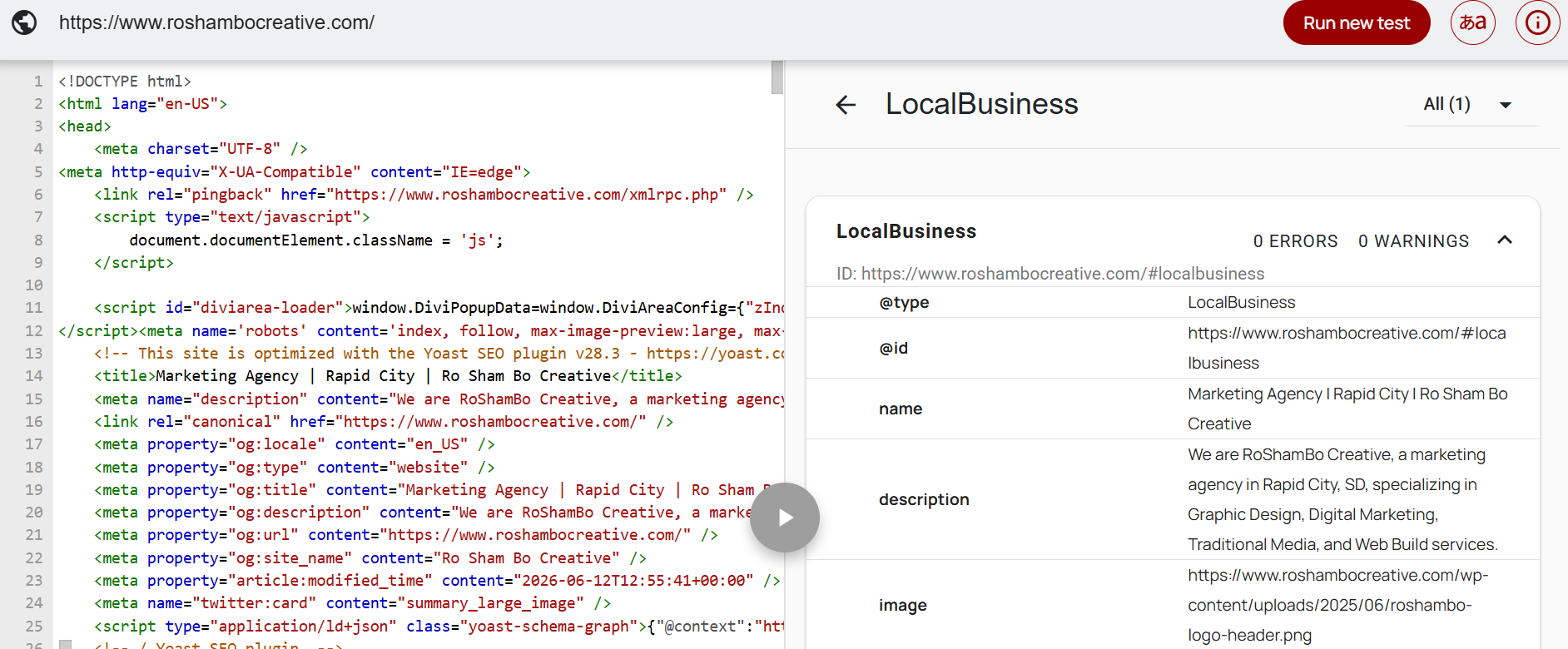
For local brands, useful fields may include:
- Business name exactly as it is publicly used
- Street address or service area, when appropriate
- Primary phone number
- Website URL
- Hours of operation
- Business category
- Logo and image references
- SameAs links to verified social or profile pages
- Services offered
- Geo details, if relevant and accurate
</Local search is competitive. Schema will not replace a strong website, reviews, reputation, local content, or a complete business profile. But it can help keep your core business information clean, connected, and ready to be understood.>
Schema Markup Best Practices That Keep You Out of Trouble
Good schema is honest schema. It should describe the visible content on the page, use the most specific applicable type, and follow the guidelines of the search engines you care about. Google’s general structured data guidelines recommend using the most specific applicable schema.org type and property names, and they warn that structured data issues can affect eligibility for rich results.
If that sounds technical, here is the practical version: do not mark up what users cannot see. Do not invent ratings. Do not label a standard service page as a product if it is not a product. Do not use event schema for a promotion that is not an event. Search engines are not impressed by creative mislabeling.
Use this schema markup guide as a quick gut-check before publishing:
- Start with the page’s purpose. Is it a blog post, product page, service page, location page, event page, or homepage?
- Choose the most accurate schema type. Specific is better than vague, as long as it is truthful.
- Match markup to visible content. If a detail is in the schema, users should generally be able to find it on the page.
- Use JSON-LD when possible. It is commonly recommended and easier to manage than inline markup for many websites.
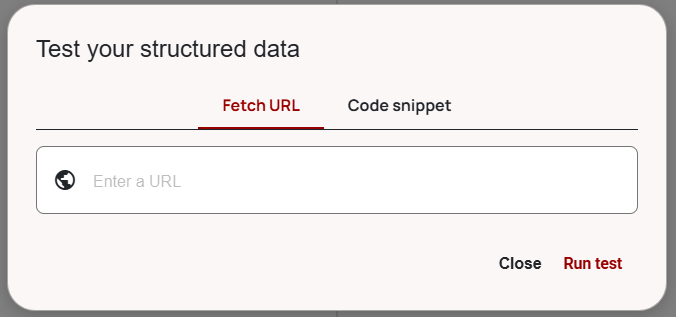
- Validate before launch. Use testing tools to catch errors, warnings, and missing required fields.
- Avoid duplicate or conflicting markup. Plugins, themes, and custom code can sometimes stack multiple versions of the same schema.
- Review schema after site updates. New layouts, rebrands, changed hours, pricing updates, or plugin changes can break the play.
- Track performance realistically. Look for improved eligibility, cleaner indexing, and search appearance changes, not instant miracles.
Schema markup best practices are not about gaming the system. They are about calling the right play, running it clean, and staying ready when the field changes.
The Implementation Game Plan
Schema implementation can be simple or complex depending on the website. A small local business site may need organization, local business, breadcrumb, and article markup. A large ecommerce site may need product, offer, review, video, FAQ, and merchant-related structured data across hundreds or thousands of pages.
Before touching code, map the opportunity. Identify your most important page templates and decide which schema types fit each one. That usually means looking at the homepage, service pages, location pages, product pages, blog posts, event pages, and contact page separately.
A practical rollout might look like this:
- Audit what already exists. Many websites already have schema from a CMS, SEO plugin, theme, ecommerce platform, or custom development.
- Find conflicts and gaps. Look for duplicate organization markup, missing local details, outdated social links, or product data that does not match the page.
- Prioritize high-value templates. Start where schema can support rich results, local visibility, or core brand clarity.
- Create reusable rules. Dynamic schema should pull from reliable fields instead of requiring manual edits on every page.
- Test in stages. Validate individual pages, then template groups, then sitewide deployment.
- Monitor after launch. Search engines may take time to recrawl and reflect changes.
For many sites, the smartest schema strategy is quiet, clean, and consistent. It does not need to be flashy. It needs to work.

Rich Snippets Are the Reward, Not the Whole Strategy
Rich snippets get the attention because they are visible. A star rating, product price, event date, or breadcrumb path can make a search listing more useful at a glance. That visibility is valuable, especially when search results are crowded.

But if rich snippets are the only reason you care about schema markup, you are playing too small. Structured data also supports better machine understanding, cleaner page classification, and stronger entity connections across your website. Those benefits can matter even when a rich result does not appear.
Search results are fluid. Features change. Eligibility changes. Layouts change. AI answers, maps, shopping units, videos, forums, and traditional listings all compete for attention. A smart structured data strategy accepts that reality instead of chasing one shiny result type.
The goal is to make your content easier to interpret wherever search goes next.

A Quick Schema Checklist for Your Next Website Review
If you are not sure whether your site is playing this game well, start with a simple review. You do not need to become a developer overnight. You just need to know what questions to ask.
Use this checklist:
- Is there organization schema on the site?
- If the business serves a local market, is local business schema accurate?
- Do blog posts use Article or BlogPosting schema?
- Do product pages include accurate product and offer details?
- Do event pages include real dates, locations, and status information?
- Are breadcrumbs marked up cleanly?
- Are there duplicate schema blocks from multiple plugins?
- Does structured data match what users can see on the page?
- Have key pages been tested with validation tools?
- Is schema reviewed when business details, services, or templates change?
If the answer is “not sure” more than once, that is your signal. Not a panic button. A signal.
Stay Ahead of the Curve with Clearer Signals

Schema markup is not the loudest part of your website, but it can be one of the smartest. It gives search engines and AI-powered systems a clearer read on your content, your business, and your relevance. When paired with strong content and solid technical execution, it helps your brand show up with more confidence.
The brands that win in search are not always the ones shouting the loudest. They are the ones making the right moves before the market forces them to catch up.