
Before spooky season even officially arrived, two horror films had already been haunting the box office. Obsession and Backrooms didn't just become summer successes. They became cultural moments. At a time when directors, producers, and marketers are looking for innovative ways to keep movie theaters alive, relevant, and packed with moviegoers instead of suffering a slow slasher death worthy of a classic horror film, both projects offered a compelling blueprint. Their success wasn't simply about great filmmaking. It was about understanding modern audiences. While many brands and marketers borrow horror's aesthetics every October, few truly understand the audience psychology, community engagement, and cultural participation that make the genre so effective. Obsession and Backrooms do.
And perhaps that's not surprising. Who better to bring Gen Z back into theaters than Gen Z filmmakers who grew up understanding exactly how modern audiences discover, share, and obsess over content?
Both films became cultural events not because they had the largest budgets or the most recognizable casts, but because they understood something many marketers still struggle to grasp: modern audiences want to feel involved. They want experiences worth sharing, stories worth following, and communities worth belonging to. More importantly, they want authenticity, not imitation.
For brands, there are some surprisingly valuable marketing lessons hiding inside the success of both films. And during spooky season, it's worth paying attention to why audiences embraced them so enthusiastically.
What Made These Films Break Through?

One of the most interesting similarities between Obsession and Backrooms is that neither project started by trying to appeal to everyone.
Instead, they focused on understanding exactly who their audiences were and what would resonate with them. Both projects came from creators with strong internet-native roots, and both campaigns treated fans like participants rather than passive consumers. Ad Age's analysis states that the marketing efforts behind these films leaned heavily into immersive experiences, community engagement, creator-driven storytelling, and in-world activation rather than relying solely on traditional awareness tactics.
That distinction matters because audiences today are incredibly selective about what earns their attention. Consumers don't just evaluate the quality of a product, film, or campaign. They evaluate whether it feels genuine. They want to know whether the people behind it actually understand the culture they're attempting to join.
This is where many brands miss the mark. They see a trend gaining traction and immediately try to insert themselves into the conversation. The result often feels forced because they're chasing attention rather than adding value.
Both Obsession and Backrooms succeeded because they approached things differently. Rather than forcing audiences into their worlds, they created worlds audiences wanted to explore on their own. They left room for curiosity. They encouraged speculation. They rewarded attention.
That's a powerful lesson for marketers because curiosity is often far more effective than explanation.
The Numbers Show the Power of Efficient Attention
The creative success of both films is impressive on its own, but the financial results make the story even more compelling.
According to Box Office Mojo, Obsession was produced on a reported budget of approximately $750,000 and went on to generate more than $519 million worldwide at the box office!
Backrooms, while operating with a larger budget of $10 million, delivered similarly remarkable results, generating more than $400 million worldwide!
| Film | Production Budget | Worldwide Gross | Marketing Lesson |
| Obsession 🏺🫥🧱🚗🐱 |
$750,000 | $519M+ | A sharply defined concept paired with audience advocacy can outperform a massive launch. |
| Backrooms 🚪 👁️🌫️📹📼 |
$10 Million | $400M+ | A built-in community can become an incredibly powerful marketing engine. |
| The Blair Witch Project 🌲📹😱🧙♀️🏃♀️ |
$60,000 | $248M+ | Mystery and intrigue can generate outsized attention. |
| Paranormal Activity 🎥🏚️👻📹👣 |
$15,000 | $190M+ | Audience buzz can become a campaign's most valuable asset. |
Looking at those numbers, it's difficult not to notice the pattern.
For decades, horror has repeatedly demonstrated that attention is not always proportional to budget. The Blair Witch Project became legendary because audiences debated it, discussed it, and questioned whether what they were watching was real. Paranormal Activity transformed audience reactions into a marketing asset and leveraged grassroots excitement more effectively than many blockbuster campaigns.
Obsession and Backrooms may belong to a different generation, but they followed a surprisingly similar blueprint.
They understood that people love discovering things before everyone else does. They enjoy being part of a cultural moment before it becomes mainstream. They like sharing recommendations that make them feel connected to a larger community.
The most successful films don't simply generate viewership. They generate conversation. The same is true for marketing.
What These Films Understand About Modern Audiences
Modern audiences consume content differently than they did even five years ago.
People move constantly between YouTube, TikTok, streaming platforms, Reddit, Discord communities, podcasts, social media feeds, and search engines. Discovery has become decentralized, and trust increasingly comes from creators, communities, and peers rather than traditional gatekeepers.
That's one of the reasons creator-led projects have become so influential.
Film Independent highlighted how platforms like YouTube helped creators such as Curry Barker and Kane Parsons build audiences, refine their creative voices, and establish trust long before larger industry support arrived. Those audiences didn't appear overnight. They were built through consistency, authenticity, and shared experiences. The same dynamic exists in marketing.
Consumers are becoming increasingly skilled at filtering out messaging that feels generic or disconnected from their world. They gravitate toward brands that demonstrate genuine understanding of the communities they're trying to reach.
The companies creating meaningful momentum today aren't necessarily producing more content or spending more money. They're creating messages that feel like they belong.
That's a subtle difference, but it's often the difference between attention that's rented and attention that's earned.
Modern Audiences Want Participation, Not Interruption
For years, advertising operated on interruption. Television commercials interrupted programming. Radio ads interrupted music. Display banners interrupted browsing. The assumption was simple: if enough people saw the message, eventually some of them would respond.
Today's audiences have become extraordinarily effective at ignoring interruptions.
What still works, however, is participation.
The marketing surrounding Obsession and Backrooms wasn't built around simply informing audiences that the films existed. It invited audiences into the experience. Fans theorized about storylines, shared clues, discussed references, and actively contributed to the films' cultural momentum. That principle extends far beyond entertainment marketing.
Businesses often view community as a distribution channel. In reality, community operates more like a trust system. When organizations enter communities with generic messaging and self-promotional content, they're typically ignored. When they contribute something genuinely valuable or interesting, audiences often become advocates on their behalf.
This is one of the reasons modern word-of-mouth remains so powerful.
People rarely share advertisements. They do share experiences, discoveries, stories, theories, and ideas that make them feel connected to something larger than themselves.
Why Niche Audiences Matter More Than Ever
One of the smartest decisions both films made was embracing specificity. Neither project was designed for everyone. And that's precisely why they worked.
As Aspectus Group notes in its discussion of audience behavior and entertainment trends, modern consumers increasingly gravitate toward authentic experiences and communities that feel focused, relevant, and purpose-built rather than broadly manufactured for mass appeal.
For marketers, that's an important shift.
For years, the dominant strategy was maximizing reach. Cast the widest net possible and hope enough prospects responded. Today, resonance is often more valuable than reach.
A smaller audience that genuinely cares about your message typically creates more momentum than a larger audience that barely notices it. Some of the most successful brands in the world started by becoming indispensable to a niche group of people before expanding outward.
That's exactly what cult-classic horror franchises have done for decades. The lesson isn't to limit your ambitions. It's to earn loyalty before chasing scale.
Why Did the Taglines Work?
Great taglines aren't clever because they're clever. They're effective because they instantly communicate tension.
Obsession centered around the tagline:
"Be careful who you wish for..."
The brilliance of that line is its simplicity. In just a few words, it transforms desire into danger. It creates a question in the audience's mind and encourages them to learn more about why not ‘what’ but ‘who’.
Backrooms took a similarly effective approach with:
"You are not supposed to be here."
Few lines communicate unease so quickly. It immediately places the audience into the experience and establishes that something is wrong.
From a marketing perspective, both taglines accomplish the same goal. They make audiences feel something before they know everything. That's what strong positioning looks like.
The best brand messaging functions much the same way. It identifies a tension, introduces a possibility, and sparks curiosity. It doesn't overwhelm audiences with information. It gives them a reason to keep paying attention.
Authenticity Became the Growth Engine
One of the reasons both films connected so strongly with audiences is that they felt authentic. Not "corporate marketing authentic." Actually authentic.
Both Backrooms and Obsession benefited from creator-led storytelling that felt original and culturally native, particularly among younger audiences who increasingly value authenticity over polish. Audiences trust things that feel earned. (Source: The Wrap)
Backrooms had years of online mythology and community fascination behind it before reaching theaters. Obsession carried the energy of a project that felt personal, distinctive, and creator-driven. Neither felt like they were attempting to imitate culture from the outside. Instead, both felt like they emerged naturally from communities that already existed. That's an increasingly important lesson for brands. Authenticity isn't something you declare or innately desire. It's something audiences decide.
Horror Marketing Is Surprisingly Similar to Great Marketing
One reason horror continues producing remarkable success stories is because the genre demands discipline. Unlike some major blockbuster categories, horror films frequently operate with limited budgets. They don't always have the luxury of solving problems with elaborate effects or massive production spend. Instead, they rely on storytelling, emotion, tension, timing, and audience psychology.
According to research discussed by UVA Darden, low-budget horror often succeeds because it leverages novelty, emotional engagement, and audience response more effectively than expensive spectacle alone. The same principle applies to marketing.
When resources are limited, strategy becomes increasingly important because businesses can't afford to waste time, money, and energy pursuing the wrong audience or relying on messaging that lacks clarity. The brands generating consistent momentum aren't always the ones spending the most. More often, they're the organizations making smarter decisions about who they're trying to reach, what matters to that audience, and how to create something compelling enough that people actually want to engage with it.
That's what both Obsession and Backrooms did exceptionally well. They understood the audience first and built everything else around that understanding.
Thinking of Going Solo with Your Marketing This Spooky Season?
😬"No. No. No. No. No. NO DON'T DO THAT!"😱
⬆️ If you've seen Obsession, you know the reference.
And honestly, it might be some of the best marketing advice imaginable.
Every year, businesses convince themselves they'll figure everything out internally. They'll handle SEO between meetings. They'll write content when they have time. They'll launch a few ads, update the website, manage social media, track analytics, and somehow still focus on running the business.
The plan always sounds reasonable at first. Then reality shows up.
The truth is that understanding modern audiences has never been more challenging. Consumer behaviors shift constantly. Platforms evolve. Algorithms change. Competition increases. Attention becomes harder to earn. The brands winning today aren't succeeding because they stumbled into the right tactic. They're succeeding because they understand their audience and execute with intention.
That's exactly where our team comes in.
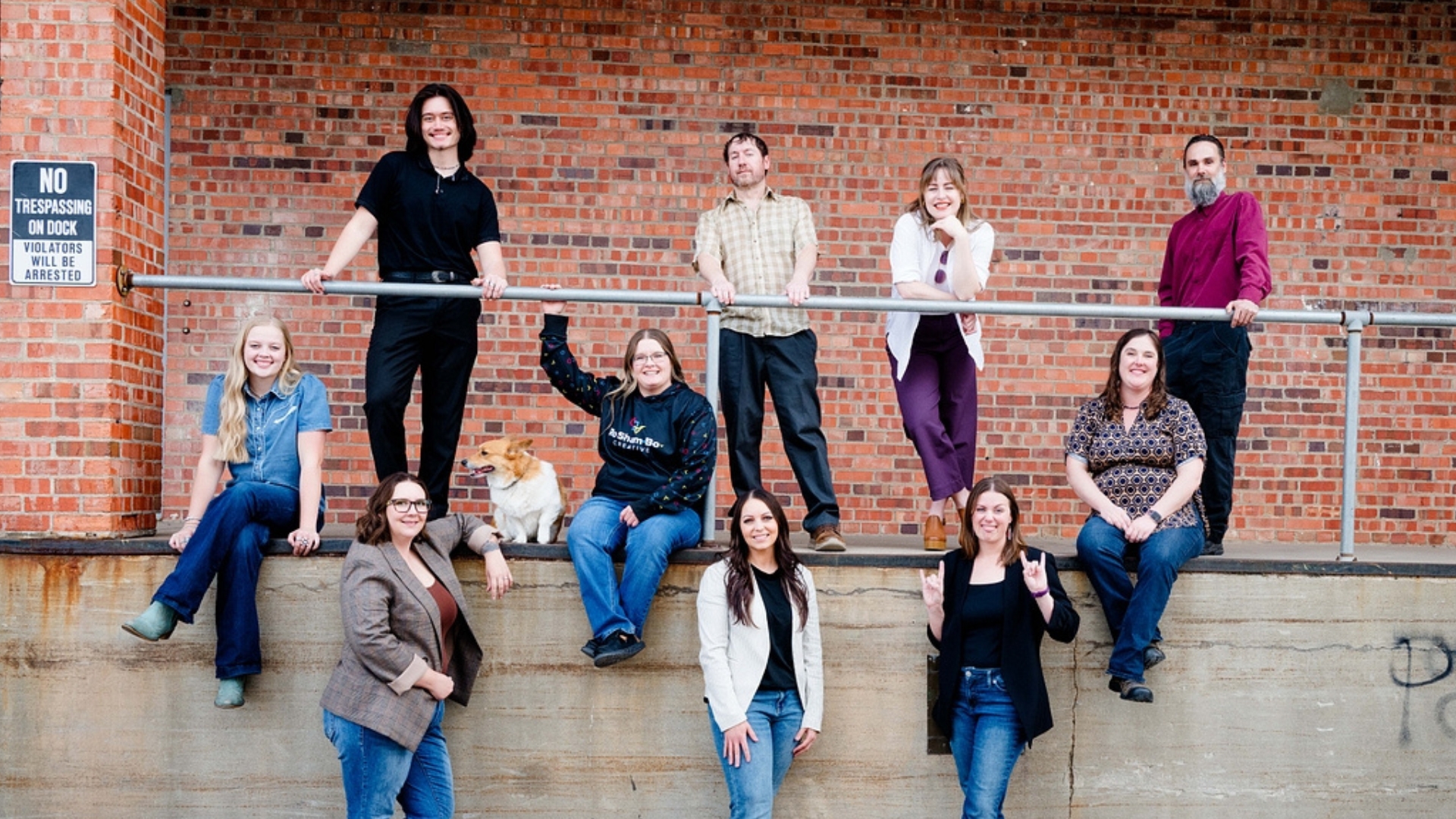
At Ro•Sham•Bo Creative, we help businesses move beyond guesswork by developing strategies rooted in audience insights, creative thinking, and measurable execution. Whether it's SEO, paid media, branding, website design, social campaigns, content marketing, traditional advertising, or a fully integrated marketing strategy, our objective remains the same: create work that resonates deeply enough that people actually remember it.
The biggest lesson hiding inside Obsession and Backrooms we can take isn't really about horror. It's about connection.
The brands creating momentum today understand the people they're trying to reach. They build campaigns that feel authentic, relevant, and worth engaging with. They create experiences people want to share rather than messages people want to skip.
If your current marketing strategy feels like it's wandering aimlessly through the Backrooms, or making the kind of decisions horror movie audiences beg characters not to make, let's talk.
Ready to build something your audience actually wants to discover?
Connect with the Ro•Sham•Bo Creative team and let's create a marketing strategy that earns attention, fuels conversation, and keeps people talking long after the credits roll.